



Psoriasis in Children and Adolescents: When Psoriasis Affects More Than Just the Skin
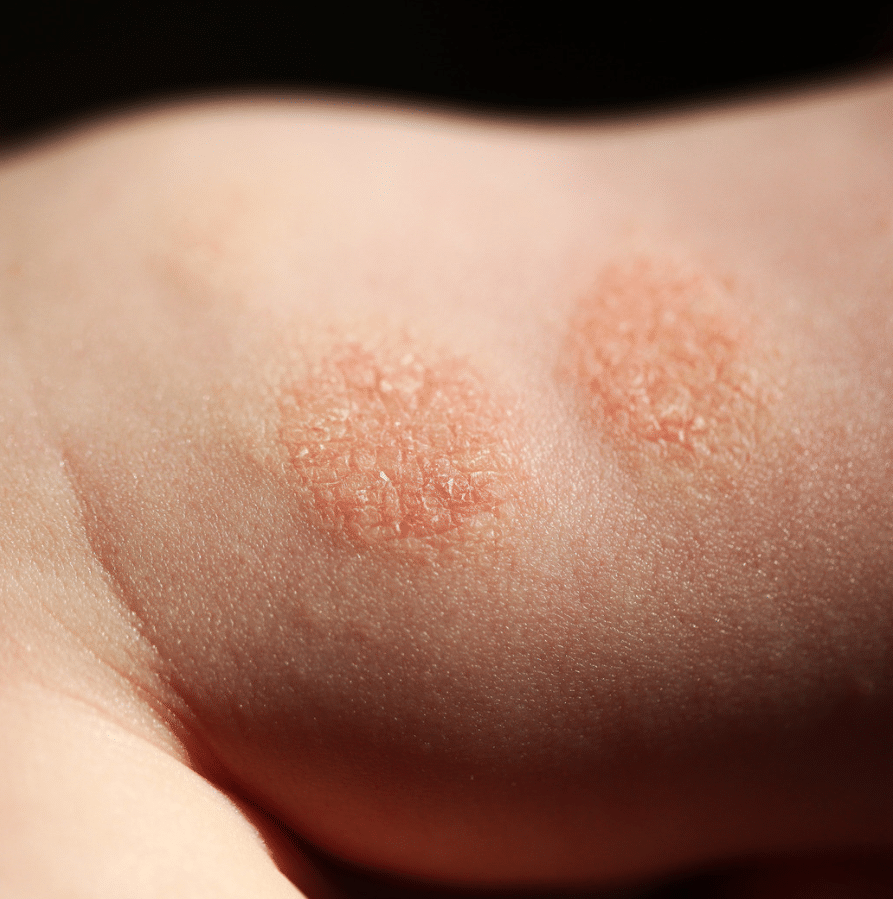
On World Psoriasis Day (October 29), a chronic inflammatory disease comes into focus that is often mistakenly perceived as solely an adult problem: psoriasis. However, almost a third of all cases begin in childhood and adolescence. Early, differentiated diagnostics and holistic support are crucial to provide guidance to those affected and their families and to sustainably protect their quality of life.
Why Psoriasis Is Not Solely a ‘Skin Deep’ Issue
Psoriasis is a systemic, immune-mediated inflammatory disease. In affected children and adolescents, a malfunction of the immune system causes skin cells (keratinocytes) to renew at an extremely accelerated rate. While healthy skin takes about 28 days for this process, skin with psoriasis renews within just three to five days.
The visible result is the typical silvery-white scales on reddened, inflamed skin areas (plaques). Psoriasis is not contagious, but due to the visible symptoms and sometimes severe itching, it represents a noticeable physical and psychological burden in the school and daily lives of growing patients.
Peculiarities in Childhood and Adolescence
The manifestation of psoriasis in children often differs from the classic symptoms in adulthood:
- Special form Psoriasis guttata: This course of the disease is particularly common in children and adolescents. It appears as a sudden, pinpoint rash all over the body and is often triggered by previous bacterial infections (such as streptococcal angina of the respiratory tract).
- Atypical Localizations: In infancy and early childhood, psoriasis often appears in the diaper area (inverse psoriasis). In older children and adolescents, the scalp, face, and joint flexures are often affected – areas that are difficult to conceal in everyday life.
- Nail Involvement: Changes in fingernails (such as small dents, so-called pitting nails, or brownish discolorations) can occur in childhood and be an important diagnostic indicator.
Focus on the Immune System: Triggers and Interfaces
As a specialist in pediatrics and adolescent medicine with a specialization in allergology and immunology, I always consider psoriasis in the context of the entire organism. In addition to a genetic predisposition, so-called trigger factors play a central role in triggering or exacerbating the disease:
- Infections: Respiratory infections or viral loads can stimulate the immune system and thus provoke skin flare-ups.
- Mechanical Stimuli: Injuries, friction, or sunburn often lead to the formation of new plaques in the affected areas (known as the Köbner phenomenon).
- Psychological Stress: Academic pressure or social burdens are proven to act as inflammation amplifiers via the nerve-skin axis.
Precise clarification is essential to reliably differentiate psoriasis from other pediatric skin diseases – such as atopic eczema (neurodermatitis) – and to specifically minimize trigger factors.
Modern Treatment Approaches in Pediatrics
The care of children and adolescents with psoriasis requires a sensitive, step-by-step approach:
- Basic and Local Therapy: Consistent re-greasing of the skin restores its barrier function. For active inflammation, targeted, age-appropriate ointments and creams are used.
- Trigger Management and Lifestyle: The targeted treatment of infections and the avoidance of mechanical skin irritations support long-term therapeutic success.
- Holistic Support: Since chronic skin diseases can affect the self-esteem of young people, integrated care that also includes the psychological well-being of the child and parents is important.
Conclusion & Takeaway
Psoriasis in childhood and adolescence is a treatable disease. World Psoriasis Day reminds us of the importance of education, destigmatization, and a trained eye on the child’s immune system. In cases of chronic skin changes or uncertainties, early pediatric and immunological clarification provides the basis for a symptom-free upbringing.
Article by Dr. Anne Stein, Pediatrics and Adolescent Medicine, Allergology