No Results Found.
The page you requested could not be found. Try refining your search, or use the navigation above to locate the post.
The page you requested could not be found. Try refining your search, or use the navigation above to locate the post.



Open 365 days a year
Book Appointment
Oppolzergasse 6/7-8, 1010 Vienna
praxis@malacht.at
+43 1 968 21 11
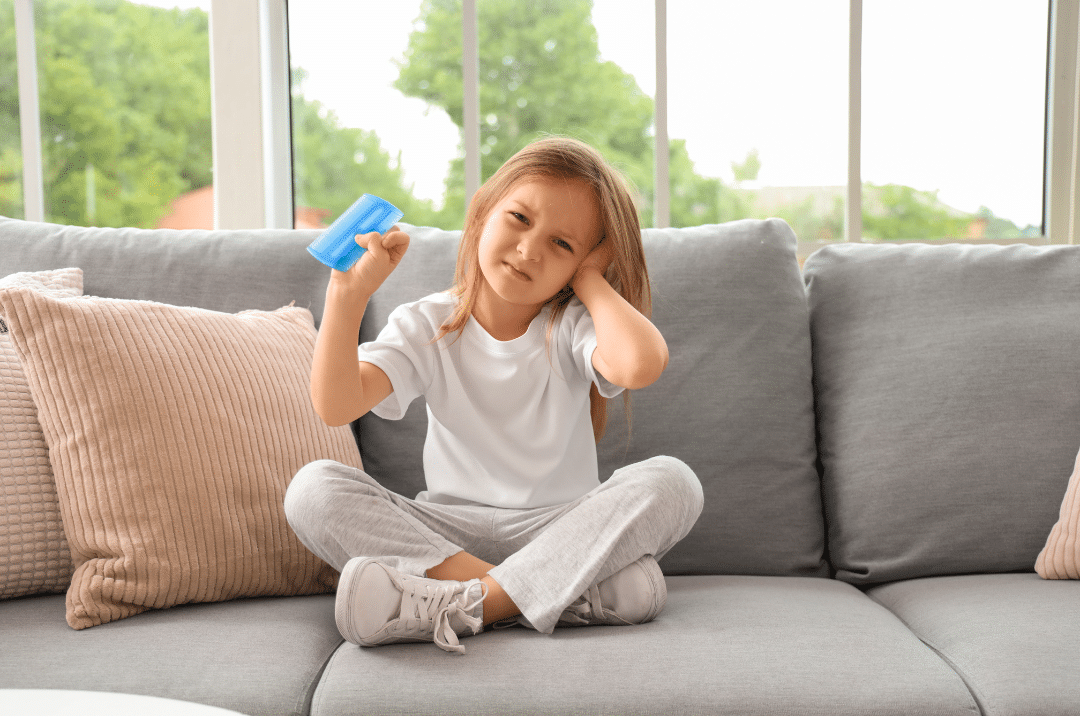
<p>An itchy head in a child often causes sudden panic among parents. However, head lice (<em>Pediculus humanus capitis</em>) are among the most common parasitic infections in childhood and are by no means a sign of poor hygiene. For institutions and families, a calm approach, objective action, and a structured procedure are the safest way to quickly contain the spread. </p>
<p><strong>Symptoms and Diagnosis: Reliably Identifying Head Lice and Nits</strong></p>
<p>Head lice are wingless insects that feed on small amounts of human blood. The primary symptom is intense itching, caused by an allergic reaction to the louse’s saliva during biting. </p>
<ul>
<li><strong>Risk of Confusion:</strong> Nits (head louse eggs) are often mistaken for dandruff or hairspray residue. While dandruff can be easily shaken off, nits are firmly glued to the hair shaft by a water-insoluble cement. </li>
<li><strong>The Method of Choice:</strong> The most reliable diagnosis is achieved through wet combing. Dampen the hair, apply plenty of hair conditioner, and comb the hair strand by strand from the scalp to the tips with a special lice comb (tine spacing maximum 0.2 mm). After each stroke, wipe the comb on a white paper towel. </li>
</ul>
<p><strong>Effective Treatment: An Overview of Medical Principles</strong></p>
<p>For successful elimination of the parasites, physical and chemical medical products are available:</p>
<ul>
<li><strong>Physical Active Ingredients (e.g., Dimethicones):</strong> Highly viscous silicone oils penetrate the respiratory tracts (tracheae) of lice and nits, suffocating them. Parasites cannot develop resistance to this physical mode of action. They are now considered the first-choice treatment. </li>
<li><strong>Chemical Insecticides (Permethrin, Pyrethrum):</strong> These attack the nervous system of lice. Due to possible resistance development, the indication should be carefully considered. </li>
</ul>
<p><strong>The Critical Factor: The Second Treatment</strong> Since no preparation can kill all eggs with absolute certainty on the first application, a <strong>repeated treatment after 8 to 10 days</strong> is absolutely necessary. During this period, any remaining larvae hatch before they become capable of reproduction themselves. Apply the product exactly according to the package insert and pay attention to the correct exposure time and dosage. </p>
<p><strong>School and Childcare: Return and Legal Framework</strong></p>
<p>Once a proper initial treatment with an approved product has been carried out, the risk of further spread is largely averted. The child can usually return to school or kindergarten the day after the initial treatment. </p>
<ul>
<li><strong>Reporting Obligation:</strong> Inform the management of the school or childcare facility immediately. This enables the institution to issue anonymized warnings to other parents. </li>
<li><strong>Environmental Measures:</strong> Head lice usually survive only a few hours away from the head. Excessive cleaning is not necessary. It is sufficient to wash hats, scarves, bedding, and towels at 60 °C or to place combs and brushes in water at least 60 °C hot for a few minutes. </li>
</ul>
<p><strong>Conclusion</strong></p>
<p>A head lice infestation requires attention, but with modern medical products and a consistent treatment regimen, it can be managed quickly and without complications. Crucial steps include precise combing, performing the second treatment after 8 to 10 days, and open communication with the school environment. </p>
<p> </p>
<p> </p>
You are currently viewing a placeholder content from reCAPTCHA. To access the actual content, click the button below. Please note that doing so will share data with third-party providers.
More Information