No Results Found.
The page you requested could not be found. Try refining your search, or use the navigation above to locate the post.
The page you requested could not be found. Try refining your search, or use the navigation above to locate the post.



Open 365 days a year
Book Appointment
Oppolzergasse 6/7-8, 1010 Vienna
praxis@malacht.at
+43 1 968 21 11
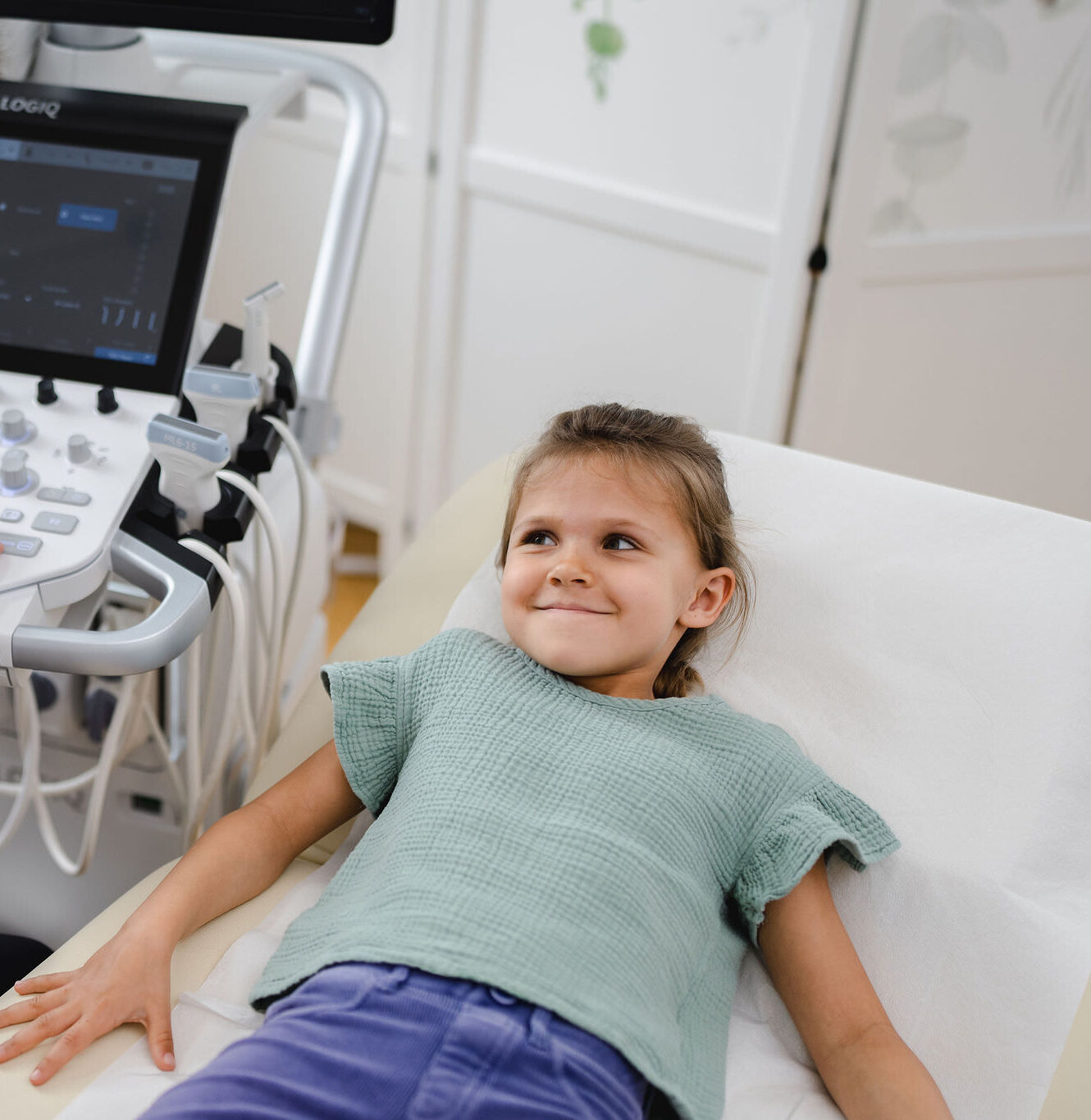
<p>When children complain of stomach pain in the morning shortly before leaving for school, parents face a challenge: Is there an underlying infection, or is the body reacting to emotional pressure? Recurrent abdominal pain is one of the most common concerns in paediatric practice. To help your child effectively, it is essential to take a differentiated look at the interplay between the mind and the digestive system. </p>
<p><strong>The link between head and stomach: How stress leads to abdominal pain</strong></p>
<p>Our gastrointestinal tract is closely connected to the central nervous system. The so-called <strong>gut–brain axis</strong> describes a complex communication network of nerve fibres, messenger substances and hormones. </p>
<p>Children often respond to emotional stressors such as performance pressure, conflicts in the classroom or separation anxiety more strongly through their bodies than adults do. In this context, this is referred to as <strong>functional abdominal pain</strong>. This means: The symptoms are absolutely real and painful for the child, but no organic tissue damage can be detected. Stress leads to changes in bowel movement (motility) and increases pain sensitivity in the abdominal area. </p>
<p> </p>
<p><strong>Organic or functional? How to classify the symptoms </strong></p>
<p>To clarify whether a medical condition is present, paediatricians look for specific warning signs (<em>red flags</em>). A comparison can help you with initial orientation: </p>
<table style="height: 293px" width="1076">
<thead>
<tr>
<td><strong>Features</strong></td>
<td><strong>Functional / stress-related symptoms</strong></td>
<td><strong>Suspected organic causes</strong></td>
</tr>
</thead>
<tbody>
<tr>
<td><strong>Pain location</strong></td>
<td>Usually diffuse around the navel</td>
<td>Often localized (e.g., right lower abdomen)</td>
</tr>
<tr>
<td><strong>Timing</strong></td>
<td>Often in the morning before school or on weekdays</td>
<td>Also at night (child wakes up in pain)</td>
</tr>
<tr>
<td><strong>Associated symptoms</strong></td>
<td>Restlessness, paleness, headache, nausea</td>
<td>Fever, vomiting, diarrhoea, weight loss</td>
</tr>
<tr>
<td><strong>Weekend / holidays</strong></td>
<td>Symptoms occur much less frequently</td>
<td>Symptoms persist unchanged</td>
</tr>
</tbody>
</table>
<p><em>Note:</em> Even if the pain occurs mainly on school days, a basic paediatric medical evaluation should always be carried out before attributing it solely to “school stress”, in order to rule out food intolerances (e.g., lactose or fructose malabsorption) or chronic inflammatory processes.</p>
<p><strong>Practical recommendations for everyday life</strong></p>
<ol>
<li><strong>Take symptoms seriously:</strong> Never dismiss pain as “imagined”. For the child, the pain is a real burden. Validation reduces additional stress. </li>
<li><strong>Keep a pain diary:</strong> For two to three weeks, note when the pain occurs, how severe it is, and what happened before or after the episodes. This provides valuable clues for the discussion at the doctor’s office. </li>
<li><strong>Slow down the morning routine:</strong> Time pressure in the morning increases physical tension. A calm routine can be helpful. </li>
<li><strong>Identify possible triggers in the school environment:</strong> Seek an open conversation to find out whether there is overload, exam anxiety or social tensions (such as bullying).</li>
</ol>
<p><strong>Conclusion</strong></p>
<p>Stomach aches before school are a signal from the body that can have both physical and emotional causes. Because of the close connection via the gut–brain axis, emotional stress can trigger real physical symptoms. Thorough medical diagnostics reliably rule out organic causes and create the basis for working with educators and medical professionals to provide targeted relief for the child. </p>
<p><strong>Legal Notice (Medical Disclaimer)</strong></p>
<p>This article is intended solely for general information and education on health topics. The content provided does not replace professional medical advice, examination, diagnosis or treatment by a qualified physician. If you have health complaints or questions about your child’s health, always consult a paediatric practice. </p>
<p> </p>
You are currently viewing a placeholder content from reCAPTCHA. To access the actual content, click the button below. Please note that doing so will share data with third-party providers.
More Information